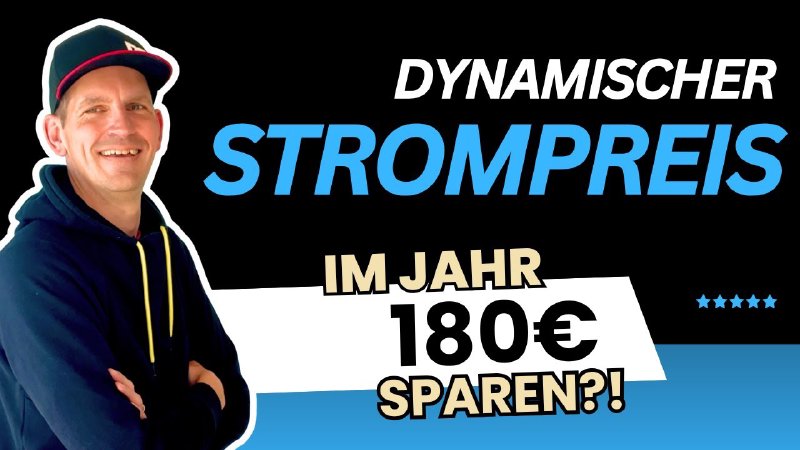
€180 less per year for charging the EV – that’s not a promise from a provider, but a concrete real-world calculation: anyone who charges their car at home and has the right tariff simply pays less, because electricity is significantly cheaper at night or when there’s plenty of wind and solar energy on the grid.
That’s exactly what dynamic electricity tariffs make possible. Whether it makes sense for you depends on one key factor.
What Is a Dynamic Electricity Tariff?
Dynamic electricity tariffs are based on fluctuating prices that follow supply and demand on the electricity market. Unlike traditional fixed-price tariffs or time-of-use tariffs with fixed peak and off-peak windows, prices under a dynamic tariff can change every hour or even every quarter-hour.
For such a tariff to work, you need either a smart meter or an additional device that records your electricity consumption in real time. Only then can your provider match your actual usage data to the dynamic prices.
Pros and Cons of Different Electricity Tariffs
| Tariff type | Price changes | Price guarantee | Savings potential |
|---|---|---|---|
| Fixed tariff | None | Fixed | Low |
| Time-of-use tariff | Fixed time windows | Partial | Medium |
| Dynamic tariff | Hourly / every 15 minutes | None | High |
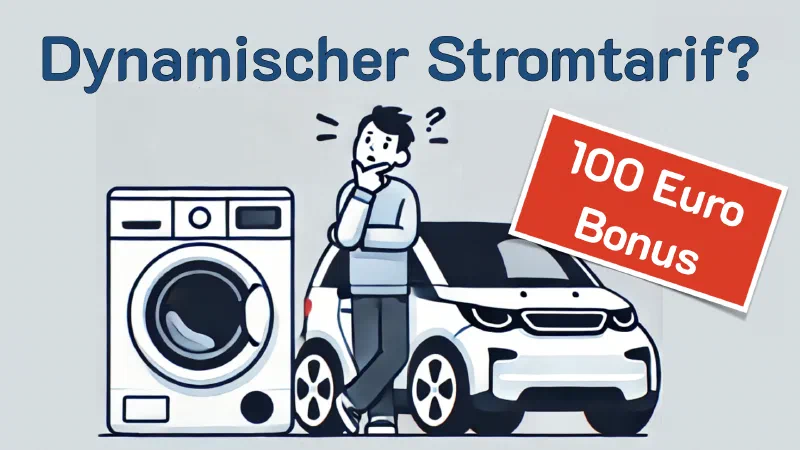
A dynamic tariff is most worthwhile if you own high-consumption devices such as washing machines, tumble dryers, dishwashers, or electric vehicles that you can run flexibly.
Calculation Examples: How Much Can You Save?
1. Washing Machine and Tumble Dryer
Assumptions:
- 2 laundry days per week.
- Energy use: 1 kWh (washing machine) + 2 kWh (dryer).
- Fixed tariff: 30 cents/kWh.
- Dynamic tariff: Average 25 cents/kWh.
Calculation:
- Saving per laundry day: 3 kWh × 5 cents = 15 cents.
- Saving per year: 15 cents × 104 laundry days = €15.60.
2. Electric Vehicle
Assumptions:
- Annual mileage: 20,000 km.
- Energy use: 20 kWh/100 km.
- 90 % of charging done at home (3,600 kWh).
- Saving: 5 cents/kWh.
Calculation:
- 3,600 kWh × 5 cents = €180 savings per year.
Smart Home Automation
With a smart home you can optimise your consumption without constantly having to check for cheap electricity windows. For example, you can set your EV to automatically charge during the cheapest hours while still being ready to drive in the morning.
My Experience With Tibber
One provider offering dynamic electricity tariffs is Tibber. With a monthly base fee of only €3.99 and transparent pricing, Tibber was an excellent choice for me for a while. Particularly handy: the Tibber app shows you hourly electricity prices in advance and makes it easy to reach customer support.
Note: I’m no longer a Tibber customer these days, but the principle works with any provider that offers dynamic tariffs.
Just Want to Keep an Eye on Your Consumption?
Don’t want a dynamic tariff (yet), just want to see where your electricity goes? That’s much simpler and cheaper: the OBI Energy Tracker* attaches to your electricity meter and shows your consumption in the heyOBI app – no tariff switch and no expensive smart-meter retrofit.
Conclusion
A dynamic electricity tariff can help you save on energy costs, especially if you own high-consumption devices like an EV. With the right automation, using it becomes simple and efficient.
Note: Links marked with affiliate link are affiliate links. As a partner of various retailers and manufacturers (e.g. Amazon, OBI via the Awin network, Shelly) I earn from qualifying purchases. This means I receive a small commission if you purchase through these links — at no extra cost to you. The revenue helps me run this blog and YouTube channel and keep creating content. Thank you for your support!
― Joachim